How To Stop Cats Scratching Furniture Without Punishment
Author:Andy
Released:March 2, 2026
Tired of finding your expensive sofa shredded to pieces? Yelling or using water bottles won't work—it just makes your cat afraid of you. Let's fix this stress-free. Here are proven, positive ways to save your couch and keep your feline friend happy.
Choose Scratching Posts Better Than Your Sofa
If you want to stop cats from scratching furniture, you have to offer them something better. Cats don't scratch to make you mad. They do it to stretch their back muscles, shed the dead outer layers of their claws, and leave their Scent. Your couch is a favorite target because it is tall, heavy, and covered in a fabric that their claws can really sink into.
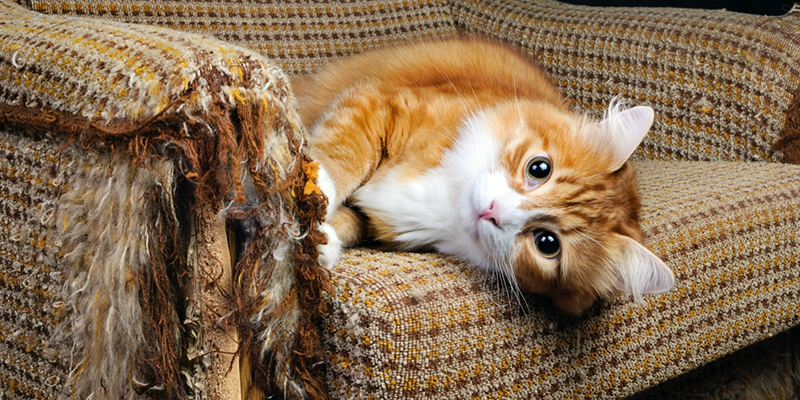
To beat the couch, your new scratching post needs to meet three strict rules:
1. It Must Be Tall Enough
A cat needs to stretch their entire body upward. If you buy a cute, tiny post that is only 18 inches tall, an adult cat will ignore it and go straight back to your sofa. Look for a post that is at least 32 inches high.
2. It Must Be Rock Solid
Think about your couch—it doesn't move when your cat pulls on it. If a scratching post wobbles or falls over the first time your cat uses it, they will never touch it again. Choose a post with a wide, heavy, wooden base. If you buy a lighter one, slide the base under a heavy table leg to pin it down.
3. It Must Have The Right Texture
Avoid scratching posts covered in normal house carpet. If you teach your cat that it is okay to scratch carpet on a post, they won't understand why they can't scratch the carpet on your stairs. Instead, buy posts wrapped in sisal rope or sisal fabric. Sisal feels rough, like tree bark, which is exactly what cats look for in the wild. Thick, corrugated cardboard scratchers are also highly rated by most cats and are very cheap to replace.
Cat Scratching Post Placement Area
The biggest mistake cat owners make is buying a great scratching post and putting it in the guest bedroom because it doesn't match the living room decor. If you do this, you will always have a cat-scratching-furniture problem.
Cats are social creatures. They want to leave their Scent markers in the core areas of the house where you spend the most time. If they are ruining the right armrest of your living room sofa, you must place the new scratching post directly in front of that exact armrest. Yes, it might look a bit awkward for a few weeks, but it is necessary.
Cats also love to stretch and scratch the second they wake up. Place a flat cardboard scratcher or a smaller post right next to their favorite sleeping bed. By giving them a legal place to scratch immediately upon waking, they won't wander over to your chairs.
Once your cat is using the new post every single day and completely ignoring the couch, you can slowly start moving the post. Move it just one or two inches a day toward a better spot in the room. If you move it too fast, they will go back to the couch.
Easy Ways To Protect Furniture From Cats
While you are teaching your cat to use the new posts, you need to make the old spots feel terrible on their paws. To naturally protect furniture from cats, you can temporarily change the texture of your couch. Cats have very sensitive paw pads and hate certain feelings.
Double-Sided Sticky Tape
This is your best tool. You can buy special pet-safe double-sided tape (often called Sticky Paws) at any pet store. Stick large strips of this tape directly onto the corners of your sofa, chairs, or door frames. When your cat stands up to scratch, their paws will come into contact with the sticky surface. It doesn't hurt them, but they find it highly annoying. They will usually pull away immediately. Leave the tape on for a few weeks until the habit is broken.
Clear Plastic Guards
If you don't want sticky residue on a velvet or leather couch, buy clear vinyl furniture protectors. These come with small, twisty pins that hold the plastic flat against your couch. When the cat tries to scratch, their claws slide off the smooth plastic. It takes all the fun out of the stretch.
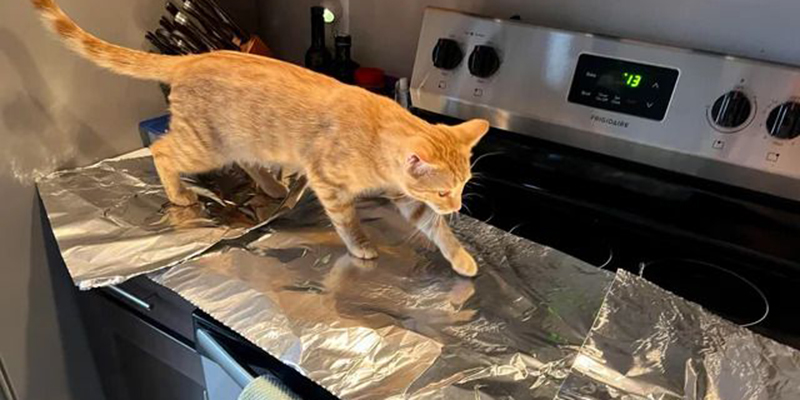
Aluminum Foil
For flat surfaces, like the top of a dresser or the seat of a chair, lay sheets of aluminum foil. Cats hate the noise it makes and the weird, smooth texture under their claws.
How To Make The New Scratchers Irresistible
You have made the couch sticky and unpleasant. Now, you need to make the new scratching post the best thing in the house. Never grab your cat's paws and force them to scratch the post. This will scare them and make them hate the post. Instead, let them think it is their idea.
Use Catnip or Silvervine: Rub dried catnip into the sisal rope fibers or the cardboard. If your cat doesn't react to catnip, try silvervine powder, which works on almost all cats. The smell will draw them over to investigate.
Play Around the Post: Grab a wand toy with a feather on the end. Play a game where you drag the feather up the side of the scratching post. As your cat jumps and grabs the feather, their claws will naturally dig into the sisal rope. Once they feel how satisfying the material is, they will start using it on their own.
Give Treats: Keep a small jar of their favorite treats near the post. Every time you see them use the scratching post by themselves, quietly walk over and hand them a treat. Positive reinforcement builds good habits fast.
Keep Their Claws Trimmed
You can greatly reduce the damage to your home just by keeping your cat's nails dull. Buy a pair of small pet nail clippers and trim the sharp tips off their front claws every two to three weeks. You only need to clip the very thin, clear hook at the end of the nail. If your cat fights you during nail trims, try doing it while they are deeply asleep, clipping just one or two nails a day.
For extreme cases, you can use soft plastic nail caps. You glue these tiny caps over your cat's natural claws. They fall off naturally after about a month. It completely stops damage, but trimming is usually much easier and cheaper in the long run.
Save Your Furniture
You don't need to yell or use a spray bottle to keep cats from scratching furniture. By giving them tall, sturdy alternatives, making your couch less appealing with sticky tape, and rewarding good habits with treats, you can live in peace. Be patient. It takes a few weeks to break old habits, but your intact sofa—and a trusting, happy cat—will be worth the effort.
Related Posts

Can Dogs Eat Eggs or Not? The Truth Most Owners Don’t Know
Is Your Indoor Cat Bored? Simple Ways To Entertain Them

Why Cats Eat Litter and Simple Ways to Stop the Habit

Joint Supplements for Senior Dogs: Benefits and Choices

Dog Dental Chews: Natural Defense Against Plaque